
News & Tips · Perimenopause
Why Won't My Weight Come Off During Perimenopause?
By Katerina Jakubcova · personal trainer and certified menopause specialist, Surbiton
General guidance only. Always check with your doctor before starting a new exercise programme, especially if you have an injury or existing health condition.
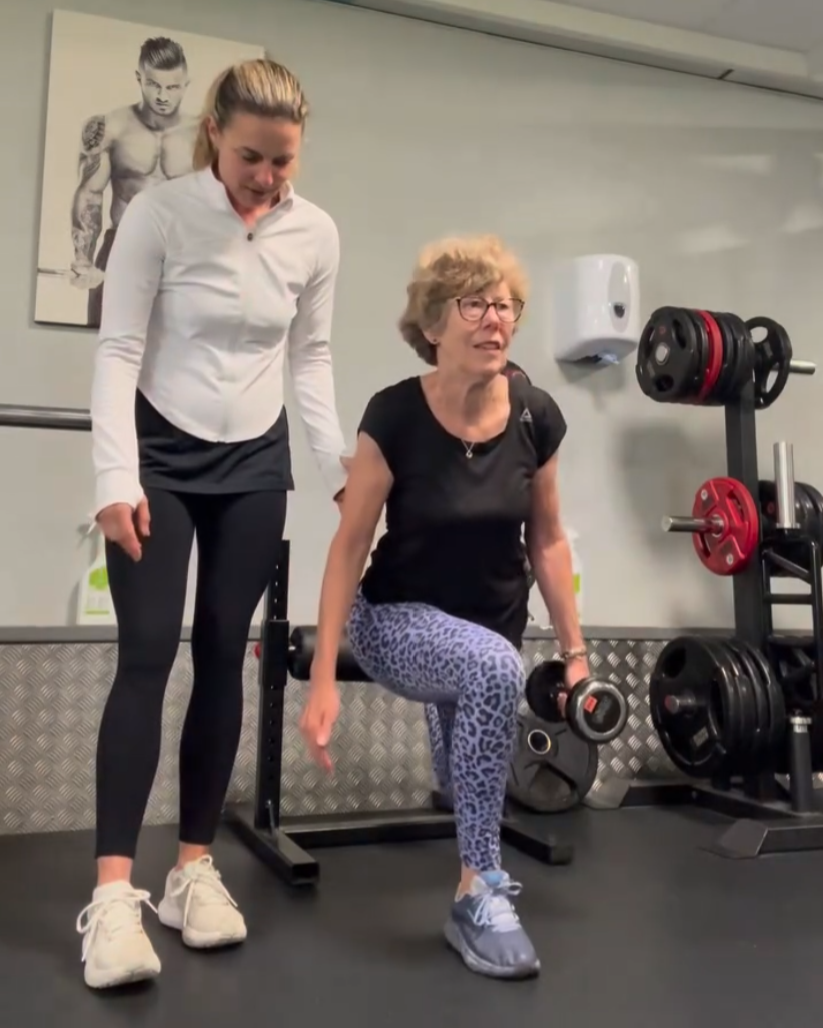
Most of the women who come to me say the same thing: "I am doing everything right and nothing is working." I believe them. But when we look closer, most of them are not doing what they think they are doing.
They are not lacking motivation. They are lacking direction. The internet is overwhelming, and nobody has told them what actually matters at this stage of life.
What "doing everything right" usually looks like
Before clients come to me, most are not that active, even though they want to be. Some run. Some go to the gym once a week. Some avoid the gym altogether because of how they feel about their body, and do home workouts instead. Some do classes, total body workouts, F45, things that do not require much thinking.
And almost all of them believe they are eating enough protein. They are not.
Here is the pattern I see, every time:
- They think they are getting enough protein, but they are not
- They are overeating on fat without realising it
- They are not doing nearly enough strength training
Nutrition comes first, then lack of movement. Not lack of effort. Lack of the right information.
A client who had the knowledge but not the structure
One client came to me with no real structure. She trained occasionally, maybe once a week, sometimes not even that. Her nutrition was scattered. She knew the theory. She had read the articles, saved the recipes, talked about it with friends. She just never actually did any of it consistently, because life with work and family left no room for structure.
We built a plan together. A structured way of training, habits she could actually keep, even when she did not feel like it.
Within four weeks she had more energy. Within three months she had dropped a dress size. Her posture changed, she became more upright. And her colleagues started noticing, telling her she was glowing. That mattered more to her than the dress size did.
If the scale has not moved for a week or two
Do not give up. This is the moment most women quit, and it is usually too early.
Hormones fluctuate. Lots of different things contribute to a stalled scale that have nothing to do with whether your plan is working. My approach is to keep the structure as tight as possible for the lifestyle you actually have, stay consistent, and reassess after two weeks if nothing has shifted.
If there is still no movement after that, we look at the structure again. And if nothing changes even then, it is worth getting blood work done, to rule out anything medically going on.
The one thing to focus on instead of the scale
Stop focusing on the number. Focus on your energy. How are you feeling in your body? If you are feeling strong, that tells you more than the scale ever will. Confidence in your body is the real marker that something is working.
The short answer
Your weight is not stuck because you are failing. It is stuck because standard advice was never built for a perimenopausal body. Enough protein, real strength training, and the patience to give a plan two weeks before judging it, that is what moves the number that actually matters: how you feel.
If you recognise yourself in this and want a plan built around what your body needs now, not what worked ten years ago, have a look at how my coaching works for perimenopausal women, or message me directly.
Real strength training is a big part of that plan. If you have never lifted before, here is exactly where to start, no gym or equipment required.
Ready to talk it through? A free consultation is a conversation about where you are, not a sales call.
Book a free consultation